OBD fault codes, explained with the records behind them
OBD fault codes tell you which self-test your car failed. They do not tell you which part broke, and most explanations online stop at a list of possible causes. errorcodefacts goes one step further and checks each code against what owners have reported to federal regulators and what carmakers have told their own technicians.
- Codes explained
- 3
- Owner complaints read
- 990
- Service bulletins read
- 1,646
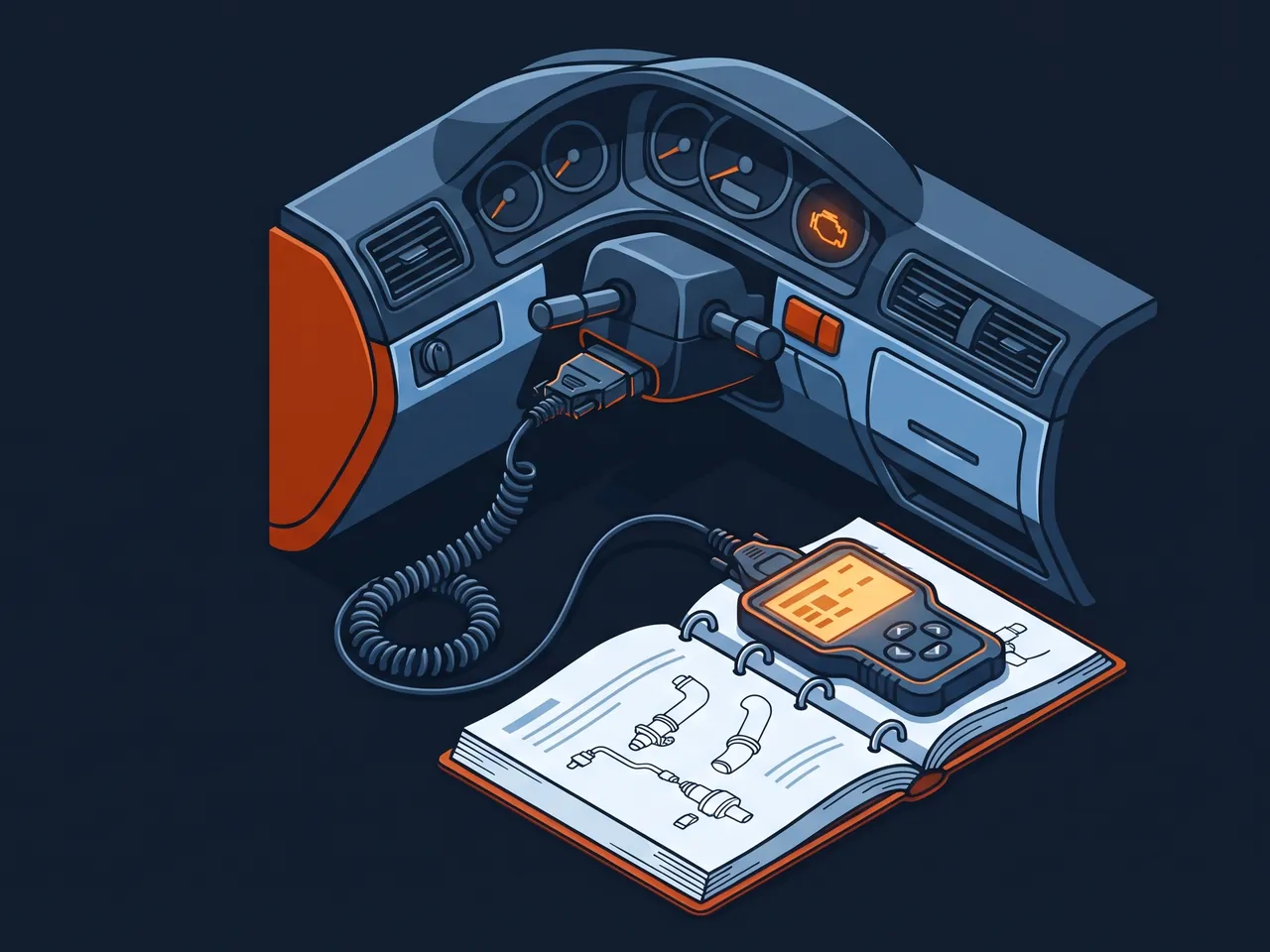
What makes these OBD fault codes pages different
Each page starts from two public sources. NHTSA publishes every vehicle complaint it receives, and manufacturers must file their technical service bulletins with it. Reading them side by side shows patterns a generic list misses, such as how often a code is fixed with a software update or which models keep coming back with it.
Every DTC code page also has its own diagram of the system involved, the bulletins that matter most, and a repair order that starts with the cheap and likely causes.
Car codes
OBD-II engine and emissions codes, starting with the codes that come up most in owner complaints.
- P0171
The engine computer is adding much more fuel than expected on bank 1, usually because air is getting in that it never measured.
158 complaints · 247 bulletins
- P0300
The engine computer has counted misfires that move between cylinders or hit more than one at a time.
465 complaints · 1,101 bulletins
- P0420
The engine computer thinks the bank 1 catalytic converter is no longer cleaning the exhaust well enough.
367 complaints · 298 bulletins
How the numbers are counted
Complaints and bulletins are matched to a code when their text names it, and each one is counted once. The methodology page lists the files we use and the limits of the data.